Print

Student Handout 2 - Worksheet: Persuasive Writing Chart

Description

Persuasive Writing Chart

Directions
Using the graphic below, brainstorm a convincing argument for intellectual property having the same rights and
responsibilities as normal property. Convince others that property is property whether or not you can touch it.
Some boxes have been filled in to help you get started. When finished, write a public service announcement with
your group conveying what you have learned to others.


Unit - Grade 6: Intellectual Property

Unit - Grade 6: Intellectual Property

Students come to understand that copyright laws protect tangible works from being copied, distributed, performed, or changed without the creative owner’s permission. They relate the concept of intellectual property to physical property and identify online materials that are protected by copyright. Students examine the concepts of plagiarism and fair use and determine the impact of copyright infringement; particularly on those in the music industry. They inform others about what they have learned in an empowerment project.

Lesson - Intellectual Property Basics

Lesson - Intellectual Property Basics

Students understand that intellectual property is created in the mind, yet, once in tangible form, creative works are protected by law. They identify types of intellectual property found online. They use a graphic organizer to prepare for persuasive writing. Students create a Public Service Announcement with a persuasive message supporting intellectual property rights.


Student Handout 1 - Reference Page: What is Intellectual Property?

Student Handout 1 - Reference Page: What is Intellectual Property?

Students understand that intellectual property is created in the mind, yet, once in tangible form, creative works are protected by law. They identify types of intellectual property found online. They use a graphic organizer to prepare for persuasive writing. Students create a Public Service Announcement with a persuasive message supporting intellectual property rights.

Student Handout 2 - Worksheet: Persuasive Writing Chart

Student Handout 2 - Worksheet: Persuasive Writing Chart

Students understand that intellectual property is created in the mind, yet, once in tangible form, creative works are protected by law. They identify types of intellectual property found online. They use a graphic organizer to prepare for persuasive writing. Students create a Public Service Announcement with a persuasive message supporting intellectual property rights.

Student Handout 2S - Worksheet: Pagina de Actividades - Tabla de Persuasion (SPA)

Student Handout 2S - Worksheet: Pagina de Actividades - Tabla de Persuasion (SPA)

Students understand that intellectual property is created in the mind, yet, once in tangible form, creative works are protected by law. They identify types of intellectual property found online. They use a graphic organizer to prepare for persuasive writing. Students create a Public Service Announcement with a persuasive message supporting intellectual property rights.

Print

Student Handout 1 - Reference Page: What is Intellectual Property?

Meet Donny the Downloader—he’s got a problem! He doesn’t have a clue about the meaning of intellectual
property or how to use it correctly and legally. Don’t be a Donny!

image.pngLook for this icon
It indicates a chance to demonstrate what you have learned as you help set Donny straight about the right
ways to use intellectual property

What is Intellectual Property?


Unit - Grade 5: Intellectual Property

Students come to understand the value of intellectual property. They acquire and use domain-specific key terms, and practice ethical decision-making regarding music piracy, plagiarism, and copyright infrigement in a number of scenarios. Students learn how to identify copyright materials, cite their sources and demonstrate respect for others' creative rights. Students produce and publish a PSA. Multimedia resources and activities feature Donny the Downloader.

Lesson - Intellectual Property Has Value

Students identify forms of physical property and relate the concept of ownership to intellectual property. They come to understand that intellectual property has value and that laws protect creative works--even the content that they come across online.

Student Handout 1 - Reference Page: What is Intellectual Property?

Students identify forms of physical property and relate the concept of ownership to intellectual property. They come to understand that intellectual property has value and that laws protect creative works--even the content that they come across online.

Print

Student Handout 1 - Reference Page: What is Intellectual Property?

Description

Meet Donny the Downloader – he’s got a problem! He doesn’t have a clue about
the meaning of intellectual property or how to use it correctly and legally. Don’t
be a Donny!


Look for this Icon:image.png

It indicates a chance to demonstrate what you have learned as you help set Donny straight about the right
ways to use intellectual property.


Unit - Grade 6: Intellectual Property

Unit - Grade 6: Intellectual Property

Students come to understand that copyright laws protect tangible works from being copied, distributed, performed, or changed without the creative owner’s permission. They relate the concept of intellectual property to physical property and identify online materials that are protected by copyright. Students examine the concepts of plagiarism and fair use and determine the impact of copyright infringement; particularly on those in the music industry. They inform others about what they have learned in an empowerment project.

Lesson - Intellectual Property Basics

Lesson - Intellectual Property Basics

Students understand that intellectual property is created in the mind, yet, once in tangible form, creative works are protected by law. They identify types of intellectual property found online. They use a graphic organizer to prepare for persuasive writing. Students create a Public Service Announcement with a persuasive message supporting intellectual property rights.

Student Handout 1 - Reference Page: What is Intellectual Property?

Student Handout 1 - Reference Page: What is Intellectual Property?

Students understand that intellectual property is created in the mind, yet, once in tangible form, creative works are protected by law. They identify types of intellectual property found online. They use a graphic organizer to prepare for persuasive writing. Students create a Public Service Announcement with a persuasive message supporting intellectual property rights.

Student Handout 2 - Worksheet: Persuasive Writing Chart

Student Handout 2 - Worksheet: Persuasive Writing Chart

Students understand that intellectual property is created in the mind, yet, once in tangible form, creative works are protected by law. They identify types of intellectual property found online. They use a graphic organizer to prepare for persuasive writing. Students create a Public Service Announcement with a persuasive message supporting intellectual property rights.

Student Handout 2S - Worksheet: Pagina de Actividades - Tabla de Persuasion (SPA)

Student Handout 2S - Worksheet: Pagina de Actividades - Tabla de Persuasion (SPA)

Students understand that intellectual property is created in the mind, yet, once in tangible form, creative works are protected by law. They identify types of intellectual property found online. They use a graphic organizer to prepare for persuasive writing. Students create a Public Service Announcement with a persuasive message supporting intellectual property rights.

Print

Slideshow - Intellectual Property Basics

Description

Click on the slideshow image and/or the hyperlink below to download this resource to your computer or device. To provide your school or school district with necessary data to verify and report lesson implementation, download this resource each time that you use this slideshow for classroom instruction.


Unit - Grade 5: Intellectual Property

Unit - Grade 5: Intellectual Property

Students come to understand the value of intellectual property. They acquire and use domain-specific key terms, and practice ethical decision-making regarding music piracy, plagiarism, and copyright infrigement in a number of scenarios. Students learn how to identify copyright materials, cite their sources and demonstrate respect for others' creative rights. Students produce and publish a PSA. Multimedia resources and activities feature Donny the Downloader.

Lesson - Let's Talk About Intellectual Property

Lesson - Let's Talk About Intellectual Property

Students review what they have learned about intellectual property. The correlating slideshow presents the definition of intellectual property, copyright laws and protections, fair use guidelines, plagiarism, source citations, and piracy. Students discuss ways to respect and protect intellectual property found online. They then create a media-based project to educate others and raise awareness of digital ethics.

Slideshow - Intellectual Property Basics

Slideshow - Intellectual Property Basics

Students review what they have learned about intellectual property. The correlating slideshow presents the definition of intellectual property, copyright laws and protections, fair use guidelines, plagiarism, source citations, and piracy. Students discuss ways to respect and protect intellectual property found online. They then create a media-based project to educate others and raise awareness of digital ethics.

Student Handout 9 - Empowerment: Public Service Announcements (PSA)

Student Handout 9 - Empowerment: Public Service Announcements (PSA)

Students review what they have learned about intellectual property. The correlating slideshow presents the definition of intellectual property, copyright laws and protections, fair use guidelines, plagiarism, source citations, and piracy. Students discuss ways to respect and protect intellectual property found online. They then create a media-based project to educate others and raise awareness of digital ethics.

Student Handout 10 - Empowerment: Personal Release Form

Student Handout 10 - Empowerment: Personal Release Form

Students review what they have learned about intellectual property. The correlating slideshow presents the definition of intellectual property, copyright laws and protections, fair use guidelines, plagiarism, source citations, and piracy. Students discuss ways to respect and protect intellectual property found online. They then create a media-based project to educate others and raise awareness of digital ethics.

Print

Student Handout 7 - Reference Page: Bears Through the Ages


Bears throughout the Ages -- Encyclopedia of Bears       http:// www.encyclopediaofbears/bearsinhistory.com


Unit - Grade 5: Intellectual Property

Students come to understand the value of intellectual property. They acquire and use domain-specific key terms, and practice ethical decision-making regarding music piracy, plagiarism, and copyright infrigement in a number of scenarios. Students learn how to identify copyright materials, cite their sources and demonstrate respect for others' creative rights. Students produce and publish a PSA. Multimedia resources and activities feature Donny the Downloader.

Lesson - Cite Your Sources Responsibly

Students practice paraphrasing and citing online sources. They read informational text from an online source and write an objective summary. They then cite the online source of information using the correct format.

Student Handout 7 - Reference Page: Bears Through the Ages

Students practice paraphrasing and citing online sources. They read informational text from an online source and write an objective summary. They then cite the online source of information using the correct format.

Student Handout 8 - Worksheet: Intellectual Property: Summarize and Cite

Students practice paraphrasing and citing online sources. They read informational text from an online source and write an objective summary. They then cite the online source of information using the correct format.

Print

Student Handout 4 - Reference Page: Online Auction Website 1


image.png


Lesson - Online Shopping Risks

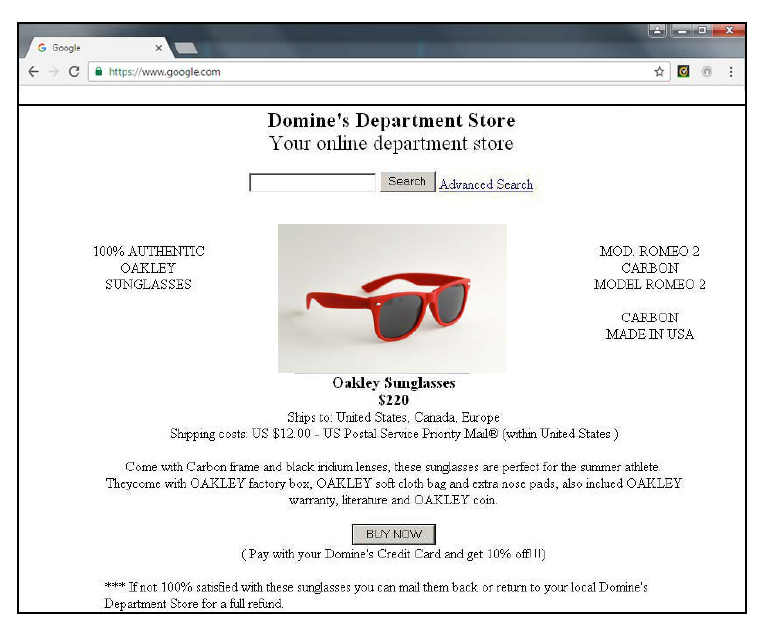
Students investigate safety and security issues involved with online shopping. They evaluate online shopping websites, and determine if the online listing is legitimate or a scam. Students design a Web page to educate others on safe and secure online shopping.

Student Handout 1 - Reference Page: Online Shopping

Students investigate safety and security issues involved with online shopping. They evaluate online shopping websites, and determine if the online listing is legitimate or a scam. Students design a Web page to educate others on safe and secure online shopping.

Student Handout 2 - Worksheet: Online Shopping Website Evaluation Tool

Students investigate safety and security issues involved with online shopping. They evaluate online shopping websites, and determine if the online listing is legitimate or a scam. Students design a Web page to educate others on safe and secure online shopping.

Student Handout 3 - Reference Page: Online Shopping Activity Guide

Students investigate safety and security issues involved with online shopping. They evaluate online shopping websites, and determine if the online listing is legitimate or a scam. Students design a Web page to educate others on safe and secure online shopping.

Student Handout 4 - Reference Page: Online Auction Website 1

Students investigate safety and security issues involved with online shopping. They evaluate online shopping websites, and determine if the online listing is legitimate or a scam. Students design a Web page to educate others on safe and secure online shopping.

Student Handout 5 - Reference Page: Online Auction Website 2

Students investigate safety and security issues involved with online shopping. They evaluate online shopping websites, and determine if the online listing is legitimate or a scam. Students design a Web page to educate others on safe and secure online shopping.

Student Handout 6 - Reference Page: Online Auction Website 3

Students investigate safety and security issues involved with online shopping. They evaluate online shopping websites, and determine if the online listing is legitimate or a scam. Students design a Web page to educate others on safe and secure online shopping.

Student Handout 7 - Empowerment: Website Design

Students investigate safety and security issues involved with online shopping. They evaluate online shopping websites, and determine if the online listing is legitimate or a scam. Students design a Web page to educate others on safe and secure online shopping.

Print

Student Handout 4 - Empowerment: iDrive Student Advisory Board Flyer


Lesson - Webcast: Online Shopping

Internet users have been buying and selling online for decades, but the digital economy is not without risks. iDrive digital correspondents uncover common consumer pitfalls and security issues involved with online commerce. Students are encouraged to use critical thinking when making purchases online. Use with the iDrive Student Toolkit.

Student Handout 1 - Empowerment: Short Form Documentary

Internet users have been buying and selling online for decades, but the digital economy is not without risks. iDrive digital correspondents uncover common consumer pitfalls and security issues involved with online commerce. Students are encouraged to use critical thinking when making purchases online. Use with the iDrive Student Toolkit.

Student Handout 2 - Empowerment: Personal Release Form

Internet users have been buying and selling online for decades, but the digital economy is not without risks. iDrive digital correspondents uncover common consumer pitfalls and security issues involved with online commerce. Students are encouraged to use critical thinking when making purchases online. Use with the iDrive Student Toolkit.

Student Handout 3 - Empowerment: iDrive Toolkit

Internet users have been buying and selling online for decades, but the digital economy is not without risks. iDrive digital correspondents uncover common consumer pitfalls and security issues involved with online commerce. Students are encouraged to use critical thinking when making purchases online. Use with the iDrive Student Toolkit.

Student Handout 4 - Empowerment: iDrive Student Advisory Board Flyer

Internet users have been buying and selling online for decades, but the digital economy is not without risks. iDrive digital correspondents uncover common consumer pitfalls and security issues involved with online commerce. Students are encouraged to use critical thinking when making purchases online. Use with the iDrive Student Toolkit.

Teacher Reference Page - iDrive Teacher Toolkit

Internet users have been buying and selling online for decades, but the digital economy is not without risks. iDrive digital correspondents uncover common consumer pitfalls and security issues involved with online commerce. Students are encouraged to use critical thinking when making purchases online. Use with the iDrive Student Toolkit.

Webcast Video - Online Shopping

Internet users have been buying and selling online for decades, but the digital economy is not without risks. iDrive digital correspondents uncover common consumer pitfalls and security issues involved with online commerce. Students are encouraged to use critical thinking when making purchases online. Use with the iDrive Student Toolkit.

Print

Student Handout 4 - Reference Page: Online Auction Website 1

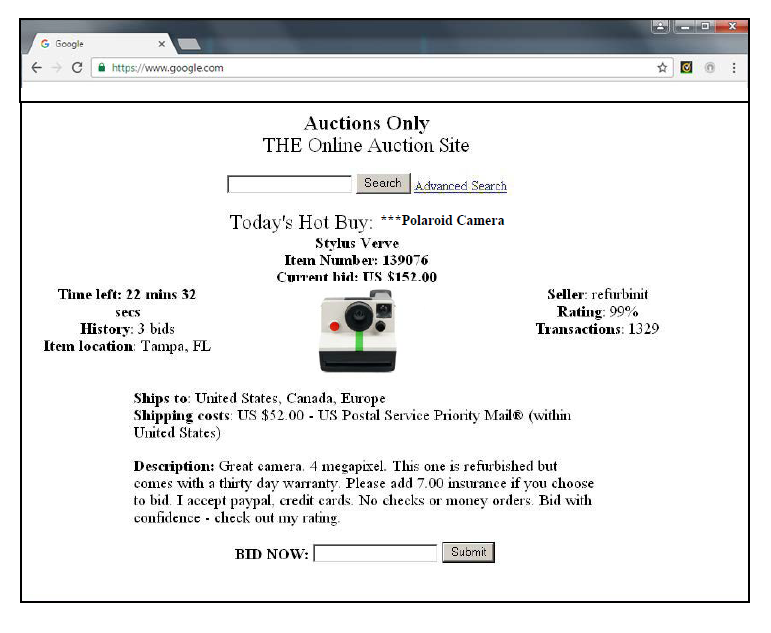
Webpage 1 (Online Auction1)

image.png


Lesson - Online Shopping Risks (High School Unit)

Students investigate the safety and security issues surrounding online shopping. They use a set of criteria to evaluate online shopping websites and practice determining whether an online offer or merchant site is safe, secure, and legitimate.

Student Handout 1 - Reference Page: Online Shopping

Students investigate the safety and security issues surrounding online shopping. They use a set of criteria to evaluate online shopping websites and practice determining whether an online offer or merchant site is safe, secure, and legitimate.

Student Handout 2 - Worksheet: Online Shopping Website Evaluation Tool

Students investigate the safety and security issues surrounding online shopping. They use a set of criteria to evaluate online shopping websites and practice determining whether an online offer or merchant site is safe, secure, and legitimate.

Student Handout 3 - Reference Page: Online Shopping Activity Guide

Students investigate the safety and security issues surrounding online shopping. They use a set of criteria to evaluate online shopping websites and practice determining whether an online offer or merchant site is safe, secure, and legitimate.

Student Handout 4 - Reference Page: Online Auction Website 1

Students investigate the safety and security issues surrounding online shopping. They use a set of criteria to evaluate online shopping websites and practice determining whether an online offer or merchant site is safe, secure, and legitimate.

Student Handout 5 - Reference Page: Online Auction Website 2

Students investigate the safety and security issues surrounding online shopping. They use a set of criteria to evaluate online shopping websites and practice determining whether an online offer or merchant site is safe, secure, and legitimate.

Student Handout 6 - Reference Page: Online Auction Website 3

Students investigate the safety and security issues surrounding online shopping. They use a set of criteria to evaluate online shopping websites and practice determining whether an online offer or merchant site is safe, secure, and legitimate.

Student Handout 7 - Empowerment: Brochure Creation and Distribution

Students investigate the safety and security issues surrounding online shopping. They use a set of criteria to evaluate online shopping websites and practice determining whether an online offer or merchant site is safe, secure, and legitimate.

Student Handout 1S - Reference Page: Compras en Linea (SPA)

Students investigate the safety and security issues surrounding online shopping. They use a set of criteria to evaluate online shopping websites and practice determining whether an online offer or merchant site is safe, secure, and legitimate.

Student Handout 2S - Worksheet: Evaluacion para Lugares de Compras en Linea (SPA)

Students investigate the safety and security issues surrounding online shopping. They use a set of criteria to evaluate online shopping websites and practice determining whether an online offer or merchant site is safe, secure, and legitimate.

Print

Student Handout 4 - Empowerment: iDrive Student Advisory Board Flyer


Lesson - Webcast: Digital Addiction

Mobile devices play a major role in adolescent life, yet too much time online can have adverse effects. In this Webcast, iDrive Digital Correspondents explore the impact of digital addiction on school performance, physical and mental health, and social-emotional well-being. Students then reflect on their own digital habits and decide on how they will choose to regulate their screen time. Provide students with real-world opportunities to address digital addiction through iDrive Youth Outreach and Empowerment.

Student Handout 1 - Empowerment: Short Form Documentary

Mobile devices play a major role in adolescent life, yet too much time online can have adverse effects. In this Webcast, iDrive Digital Correspondents explore the impact of digital addiction on school performance, physical and mental health, and social-emotional well-being. Students then reflect on their own digital habits and decide on how they will choose to regulate their screen time. Provide students with real-world opportunities to address digital addiction through iDrive Youth Outreach and Empowerment.

Student Handout 2 - Empowerment: Personal Release Form

Mobile devices play a major role in adolescent life, yet too much time online can have adverse effects. In this Webcast, iDrive Digital Correspondents explore the impact of digital addiction on school performance, physical and mental health, and social-emotional well-being. Students then reflect on their own digital habits and decide on how they will choose to regulate their screen time. Provide students with real-world opportunities to address digital addiction through iDrive Youth Outreach and Empowerment.

Student Handout 3 - Empowerment: iDrive Toolkit

Mobile devices play a major role in adolescent life, yet too much time online can have adverse effects. In this Webcast, iDrive Digital Correspondents explore the impact of digital addiction on school performance, physical and mental health, and social-emotional well-being. Students then reflect on their own digital habits and decide on how they will choose to regulate their screen time. Provide students with real-world opportunities to address digital addiction through iDrive Youth Outreach and Empowerment.

Student Handout 4 - Empowerment: iDrive Student Advisory Board Flyer

Mobile devices play a major role in adolescent life, yet too much time online can have adverse effects. In this Webcast, iDrive Digital Correspondents explore the impact of digital addiction on school performance, physical and mental health, and social-emotional well-being. Students then reflect on their own digital habits and decide on how they will choose to regulate their screen time. Provide students with real-world opportunities to address digital addiction through iDrive Youth Outreach and Empowerment.

Teacher Reference Page - iDrive Teacher Toolkit

Mobile devices play a major role in adolescent life, yet too much time online can have adverse effects. In this Webcast, iDrive Digital Correspondents explore the impact of digital addiction on school performance, physical and mental health, and social-emotional well-being. Students then reflect on their own digital habits and decide on how they will choose to regulate their screen time. Provide students with real-world opportunities to address digital addiction through iDrive Youth Outreach and Empowerment.

Webcast Video - Digital Addiction

Mobile devices play a major role in adolescent life, yet too much time online can have adverse effects. In this Webcast, iDrive Digital Correspondents explore the impact of digital addiction on school performance, physical and mental health, and social-emotional well-being. Students then reflect on their own digital habits and decide on how they will choose to regulate their screen time. Provide students with real-world opportunities to address digital addiction through iDrive Youth Outreach and Empowerment.

Print

Student Handout 6 - Reference Page: Online Auction Website 3

Webpage 3 (Online Store)

image.png


Lesson - Online Shopping Risks (High School Unit)

Students investigate the safety and security issues surrounding online shopping. They use a set of criteria to evaluate online shopping websites and practice determining whether an online offer or merchant site is safe, secure, and legitimate.

Student Handout 1 - Reference Page: Online Shopping

Students investigate the safety and security issues surrounding online shopping. They use a set of criteria to evaluate online shopping websites and practice determining whether an online offer or merchant site is safe, secure, and legitimate.

Student Handout 2 - Worksheet: Online Shopping Website Evaluation Tool

Students investigate the safety and security issues surrounding online shopping. They use a set of criteria to evaluate online shopping websites and practice determining whether an online offer or merchant site is safe, secure, and legitimate.

Student Handout 3 - Reference Page: Online Shopping Activity Guide

Students investigate the safety and security issues surrounding online shopping. They use a set of criteria to evaluate online shopping websites and practice determining whether an online offer or merchant site is safe, secure, and legitimate.

Student Handout 4 - Reference Page: Online Auction Website 1

Students investigate the safety and security issues surrounding online shopping. They use a set of criteria to evaluate online shopping websites and practice determining whether an online offer or merchant site is safe, secure, and legitimate.

Student Handout 5 - Reference Page: Online Auction Website 2

Students investigate the safety and security issues surrounding online shopping. They use a set of criteria to evaluate online shopping websites and practice determining whether an online offer or merchant site is safe, secure, and legitimate.

Student Handout 6 - Reference Page: Online Auction Website 3

Students investigate the safety and security issues surrounding online shopping. They use a set of criteria to evaluate online shopping websites and practice determining whether an online offer or merchant site is safe, secure, and legitimate.

Student Handout 7 - Empowerment: Brochure Creation and Distribution

Students investigate the safety and security issues surrounding online shopping. They use a set of criteria to evaluate online shopping websites and practice determining whether an online offer or merchant site is safe, secure, and legitimate.

Student Handout 1S - Reference Page: Compras en Linea (SPA)

Students investigate the safety and security issues surrounding online shopping. They use a set of criteria to evaluate online shopping websites and practice determining whether an online offer or merchant site is safe, secure, and legitimate.

Student Handout 2S - Worksheet: Evaluacion para Lugares de Compras en Linea (SPA)

Students investigate the safety and security issues surrounding online shopping. They use a set of criteria to evaluate online shopping websites and practice determining whether an online offer or merchant site is safe, secure, and legitimate.

Subscribe to Visual & Performing Arts