Description
Lesson Background
This lesson introduces the concept of personal responsibility in a media-filled envir
Lesson - Responsibility in a Digital Literacy World

Students understand that Information and Communications Technologies (ICT) are powerful tools to accomplish a given purpose. They learn that they are personally responsible for the content that they create and publish online. Students examine a series of scenarios that illustrate positive and negative ways that people use the Internet to accomplish a given purpose, and develop a Code of Conduct.
Student Handout - Worksheet: Responsibility in a Digital Literacy World
Students understand that Information and Communications Technologies (ICT) are powerful tools to accomplish a given purpose. They learn that they are personally responsible for the content that they create and publish online. Students examine a series of scenarios that illustrate positive and negative ways that people use the Internet to accomplish a given purpose, and develop a Code of Conduct.
Description
Lesson Overview
Students come to understand that media has the power to change perceptions and be
Lesson - The Power of Media (High School)
Students come to understand that media has the power to change perceptions and behavior. They examine the influence of the media in history and on modern culture. Students identify ways to effectively use media in order to address issues that matter to them.
Student Handout - Worksheet: The Influential Power of Media
Students come to understand that media has the power to change perceptions and behavior. They examine the influence of the media in history and on modern culture. Students identify ways to effectively use media in order to address issues that matter to them.
Putting it Together
What is media in this day and age? Media is so many things. It has evolved from its beginning as print materials
to being Web sites, podcasts, television commercials, movies, billboards, blogs, brochures, radio, and more.
We are surrounded with media everyday. With so much media around us, it makes sense that there’s a need to
be “literate” in understanding, analyzing and even creating it.
Students come to understand that media literacy is an integral aspect of digital citizenship. They learn that media literacy enables them to identify propaganda, censorship and bias. Students define media literacy, give examples of media-based propaganda and biased viewpoints, discuss the role of media in the modern world, and conclude the importance of media literacy in today's society.
Students come to understand that media literacy is an integral aspect of digital citizenship. They learn that media literacy enables them to identify propaganda, censorship and bias. Students define media literacy, give examples of media-based propaganda and biased viewpoints, discuss the role of media in the modern world, and conclude the importance of media literacy in today's society.
Students come to understand that media literacy is an integral aspect of digital citizenship. They learn that media literacy enables them to identify propaganda, censorship and bias. Students define media literacy, give examples of media-based propaganda and biased viewpoints, discuss the role of media in the modern world, and conclude the importance of media literacy in today's society.
Description
Lesson Overview
Students come to understand that media literacy is an integral aspect of digital
Lesson - Introduction to Media Literacy (High School)
Students come to understand that media literacy is an integral aspect of digital citizenship. They learn that media literacy enables them to identify propaganda, censorship and bias. Students define media literacy, give examples of media-based propaganda and biased viewpoints, discuss the role of media in the modern world, and conclude the importance of media literacy in today's society.
Student Handout 1 - Worksheet: Understanding Media Literacy
Students come to understand that media literacy is an integral aspect of digital citizenship. They learn that media literacy enables them to identify propaganda, censorship and bias. Students define media literacy, give examples of media-based propaganda and biased viewpoints, discuss the role of media in the modern world, and conclude the importance of media literacy in today's society.
Student Handout 2 - Worksheet: Media Literacy - Put it Together
Students come to understand that media literacy is an integral aspect of digital citizenship. They learn that media literacy enables them to identify propaganda, censorship and bias. Students define media literacy, give examples of media-based propaganda and biased viewpoints, discuss the role of media in the modern world, and conclude the importance of media literacy in today's society.
Description
Lesson Guide
Students will explore how infographics distill information visually and the role they ca
Lesson - Informing with Infographics
Students practice media literacy by creating infographics based on a selected e-Safety topic. They select an infographic tool; integrate multiple sources of information; evaluate the credibility and accuracy of each source, and translate quantitative data or technical information into visual form.
Student Handout - Worksheet: Informing with Infographics
Students practice media literacy by creating infographics based on a selected e-Safety topic. They select an infographic tool; integrate multiple sources of information; evaluate the credibility and accuracy of each source, and translate quantitative data or technical information into visual form.
Description
Lesson Overview
Students learn about wikis, and explore the beneficial uses of wikis in education.
Lesson - Wise Use of Wikis
Students learn about wikis, and they explore the beneficial uses of wikis in education. They use wiki technology to publish written work including links to online sources and digital media. Students plan, revise, edit, and incorporate peer feedback to produce quality written work based on an identified audience and purpose. Students adopt e-Safety and responsible use guidelines while engaged in this technology-based project.
Student Handout - Worksheet: What Are Wikis?
Students learn about wikis, and they explore the beneficial uses of wikis in education. They use wiki technology to publish written work including links to online sources and digital media. Students plan, revise, edit, and incorporate peer feedback to produce quality written work based on an identified audience and purpose. Students adopt e-Safety and responsible use guidelines while engaged in this technology-based project.
Description
Cyber Safety Lesson Objectives
Students will:
• gain a basic understanding of computer viruses through reading and discussion
• discuss basic strategies for coping with computer viruses
Unit - CCSS Model-Aligned Series: Internet Safety and Security: Learning through Literacy
Students develop essential literacy skills. They determine the central lesson in a literary work; analyze how the characters respond as the plot unfolds, and determine the meaning of words and phrases in the text. Students enhance critical thinking, build knowledge and develop a deeper understanding of e-Safety and digital security issues by completing an empowerment project.
Lesson - Mark: A Computer Virus Story
Students come to understand that cyber security issues put devices and personal information at risk, yet these problems are preventable. Students closely read a narrative text and identify the central character's actions that puts his computer and information at risk. Students determine ways to protect their devices and information privacy and security. They cite textual references during collaborative discussion.
Student Handout - Reference Page: Mark - A Computer Virus Story
Students come to understand that cyber security issues put devices and personal information at risk, yet these problems are preventable. Students closely read a narrative text and identify the central character's actions that puts his computer and information at risk. Students determine ways to protect their devices and information privacy and security. They cite textual references during collaborative discussion.
Description
Cyber Safety Lesson Objectives
Students will:
• understand how engaging in online friendships can sometimes be risky
• discuss basic strategies for interacting online
Unit - CCSS Model-Aligned Series: Internet Safety and Security: Learning through Literacy
Students develop essential literacy skills. They determine the central lesson in a literary work; analyze how the characters respond as the plot unfolds, and determine the meaning of words and phrases in the text. Students enhance critical thinking, build knowledge and develop a deeper understanding of e-Safety and digital security issues by completing an empowerment project.
Lesson - Katie: A Cyber Predator Story
Students come to understand the safety risks involved with online relationships. Students closely read a narrative text that depicts an unsafe online relationship. They then examine the impact of the character's words and actions on the sequence of events. Students determine the central lesson in the story. They conclude that online relationships can be risky and, therefore, parental permission and support is crucial to stay safe when communicating with others online. Students cite textual references during collaborative discussion.
Student Handout - Reference Page: Katie - A Cyber Predator Story
Students come to understand the safety risks involved with online relationships. Students closely read a narrative text that depicts an unsafe online relationship. They then examine the impact of the character's words and actions on the sequence of events. Students determine the central lesson in the story. They conclude that online relationships can be risky and, therefore, parental permission and support is crucial to stay safe when communicating with others online. Students cite textual references during collaborative discussion.
Meet Katie. Katie is ten. She has an older Sister named Kristi. Kristi is 16. Katie is sad.
She just moved to a new state. She left all her old friends behind.
At school, everyone already knows each other. She is finding it hard to fit in. At home,
Kristi shows her how to get online and e-mail her old friends. Katie enjoys this, but it’s
just not enough. Her old friends are busy and don ’t seem to have much time to e-mail
her.
Students develop essential literacy skills. They determine the central lesson in a literary work; analyze how the characters respond as the plot unfolds, and determine the meaning of words and phrases in the text. Students enhance critical thinking, build knowledge and develop a deeper understanding of e-Safety and digital security issues by completing an empowerment project.
Students come to understand the safety risks involved with online relationships. Students closely read a narrative text that depicts an unsafe online relationship. They then examine the impact of the character's words and actions on the sequence of events. Students determine the central lesson in the story. They conclude that online relationships can be risky and, therefore, parental permission and support is crucial to stay safe when communicating with others online. Students cite textual references during collaborative discussion.
Students come to understand the safety risks involved with online relationships. Students closely read a narrative text that depicts an unsafe online relationship. They then examine the impact of the character's words and actions on the sequence of events. Students determine the central lesson in the story. They conclude that online relationships can be risky and, therefore, parental permission and support is crucial to stay safe when communicating with others online. Students cite textual references during collaborative discussion.
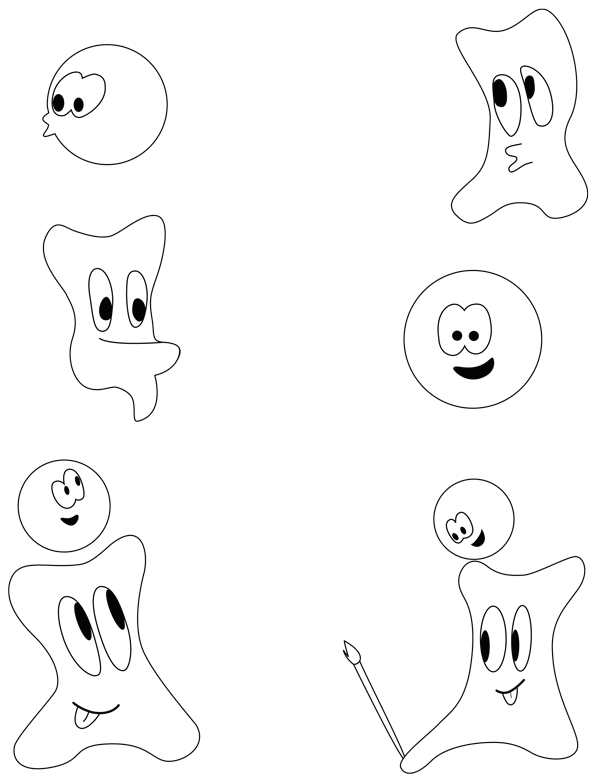
As part of i-SAFE’s Music and Movement series, students sing along with the song “Chat.” They gain an understanding of a basic Internet safety concept: to be safe and responsible when using online chat. Students learn that being responsible online means knowing how to make safe choices about who to chat with and about what to say. They engage in a collaborative discussion about interacting with others online and draw conclusions supported by reasoning and examples.
As part of i-SAFE’s Music and Movement series, students sing along with the song “Chat.” They gain an understanding of a basic Internet safety concept: to be safe and responsible when using online chat. Students learn that being responsible online means knowing how to make safe choices about who to chat with and about what to say. They engage in a collaborative discussion about interacting with others online and draw conclusions supported by reasoning and examples.
As part of i-SAFE’s Music and Movement series, students sing along with the song “Chat.” They gain an understanding of a basic Internet safety concept: to be safe and responsible when using online chat. Students learn that being responsible online means knowing how to make safe choices about who to chat with and about what to say. They engage in a collaborative discussion about interacting with others online and draw conclusions supported by reasoning and examples.
As part of i-SAFE’s Music and Movement series, students sing along with the song “Chat.” They gain an understanding of a basic Internet safety concept: to be safe and responsible when using online chat. Students learn that being responsible online means knowing how to make safe choices about who to chat with and about what to say. They engage in a collaborative discussion about interacting with others online and draw conclusions supported by reasoning and examples.
As part of i-SAFE’s Music and Movement series, students sing along with the song “Chat.” They gain an understanding of a basic Internet safety concept: to be safe and responsible when using online chat. Students learn that being responsible online means knowing how to make safe choices about who to chat with and about what to say. They engage in a collaborative discussion about interacting with others online and draw conclusions supported by reasoning and examples.

As part of i-SAFE’s Music and Movement series, students sing along with the song “Chat.” They gain an understanding of a basic Internet safety concept: to be safe and responsible when using online chat. Students learn that being responsible online means knowing how to make safe choices about who to chat with and about what to say. They engage in a collaborative discussion about interacting with others online and draw conclusions supported by reasoning and examples.
As part of i-SAFE’s Music and Movement series, students sing along with the song “Chat.” They gain an understanding of a basic Internet safety concept: to be safe and responsible when using online chat. Students learn that being responsible online means knowing how to make safe choices about who to chat with and about what to say. They engage in a collaborative discussion about interacting with others online and draw conclusions supported by reasoning and examples.