
Description
Lesson Overview
Students come to understand that media has the power to change perceptions and be
Lesson - The Power of Media (High School)

Students come to understand that media has the power to change perceptions and behavior. They examine the influence of the media in history and on modern culture. Students identify ways to effectively use media in order to address issues that matter to them.
Student Handout - Worksheet: The Influential Power of Media

Students come to understand that media has the power to change perceptions and behavior. They examine the influence of the media in history and on modern culture. Students identify ways to effectively use media in order to address issues that matter to them.
Prepare students to make a positive influence on the world through iDrive. iDrive is the Youth Outreach and Empowerment program of i-SAFE. Student-driven projects promote digital citizenship by empowering students to purposefully engage online and to deeply contribute to their communities.
Prepare students to make a positive influence on the world through iDrive. iDrive is the Youth Outreach and Empowerment program of i-SAFE. Student-driven projects promote digital citizenship by empowering students to purposefully engage online and to deeply contribute to their communities.

Prepare students to make a positive influence on the world through iDrive. iDrive is the Youth Outreach and Empowerment program of i-SAFE. Student-driven projects promote digital citizenship by empowering students to purposefully engage online and to deeply contribute to their communities.
Prepare students to make a positive influence on the world through iDrive. iDrive is the Youth Outreach and Empowerment program of i-SAFE. Student-driven projects promote digital citizenship by empowering students to purposefully engage online and to deeply contribute to their communities.
Prepare students to make a positive influence on the world through iDrive. iDrive is the Youth Outreach and Empowerment program of i-SAFE. Student-driven projects promote digital citizenship by empowering students to purposefully engage online and to deeply contribute to their communities.
Prepare students to make a positive influence on the world through iDrive. iDrive is the Youth Outreach and Empowerment program of i-SAFE. Student-driven projects promote digital citizenship by empowering students to purposefully engage online and to deeply contribute to their communities.
Prepare students to make a positive influence on the world through iDrive. iDrive is the Youth Outreach and Empowerment program of i-SAFE. Student-driven projects promote digital citizenship by empowering students to purposefully engage online and to deeply contribute to their communities.
Students understand that information found on the Web is easy to select, copy and paste into one’s own written work. iDrive Digital Correspondents gather multiple perspectives on plagiarism and examine the present and future consequences for passing off another person’s work as their own. Students examine their own school policy on digital ethics and practice giving credit where credit is due. Use with iDrive Student Toolkit.
Students understand that information found on the Web is easy to select, copy and paste into one’s own written work. iDrive Digital Correspondents gather multiple perspectives on plagiarism and examine the present and future consequences for passing off another person’s work as their own. Students examine their own school policy on digital ethics and practice giving credit where credit is due. Use with iDrive Student Toolkit.
Students understand that information found on the Web is easy to select, copy and paste into one’s own written work. iDrive Digital Correspondents gather multiple perspectives on plagiarism and examine the present and future consequences for passing off another person’s work as their own. Students examine their own school policy on digital ethics and practice giving credit where credit is due. Use with iDrive Student Toolkit.
Students understand that information found on the Web is easy to select, copy and paste into one’s own written work. iDrive Digital Correspondents gather multiple perspectives on plagiarism and examine the present and future consequences for passing off another person’s work as their own. Students examine their own school policy on digital ethics and practice giving credit where credit is due. Use with iDrive Student Toolkit.
Students understand that information found on the Web is easy to select, copy and paste into one’s own written work. iDrive Digital Correspondents gather multiple perspectives on plagiarism and examine the present and future consequences for passing off another person’s work as their own. Students examine their own school policy on digital ethics and practice giving credit where credit is due. Use with iDrive Student Toolkit.
Students understand that information found on the Web is easy to select, copy and paste into one’s own written work. iDrive Digital Correspondents gather multiple perspectives on plagiarism and examine the present and future consequences for passing off another person’s work as their own. Students examine their own school policy on digital ethics and practice giving credit where credit is due. Use with iDrive Student Toolkit.

Students understand that information found on the Web is easy to select, copy and paste into one’s own written work. iDrive Digital Correspondents gather multiple perspectives on plagiarism and examine the present and future consequences for passing off another person’s work as their own. Students examine their own school policy on digital ethics and practice giving credit where credit is due. Use with iDrive Student Toolkit.
Description
Click on the slideshow image to access this resource.

Lesson Plan - Grade 7: Cyber Bullying
Students come to understand that digital messages can be forwarded to unintended recipients. They discuss the consequences of cyber bullyng and identify bullying prevention techniques. Students practice netiquette by converting messages with a mean or negative tone into messages that convey a polite an respectful tone.
Student Handout 1 - Reference Page: Cyber Bullying Factsheet
Students come to understand that digital messages can be forwarded to unintended recipients. They discuss the consequences of cyber bullyng and identify bullying prevention techniques. Students practice netiquette by converting messages with a mean or negative tone into messages that convey a polite an respectful tone.
Student Handout 2 - Worksheet: It’s Easy - Be Considerate
Students come to understand that digital messages can be forwarded to unintended recipients. They discuss the consequences of cyber bullyng and identify bullying prevention techniques. Students practice netiquette by converting messages with a mean or negative tone into messages that convey a polite an respectful tone.
Student Handout 3 - Worksheet: What is Cyber Bullying?
Students come to understand that digital messages can be forwarded to unintended recipients. They discuss the consequences of cyber bullyng and identify bullying prevention techniques. Students practice netiquette by converting messages with a mean or negative tone into messages that convey a polite an respectful tone.
Student Handout 4 - Worksheet: Activity - Be Considerate. It’s Easy.
Students come to understand that digital messages can be forwarded to unintended recipients. They discuss the consequences of cyber bullyng and identify bullying prevention techniques. Students practice netiquette by converting messages with a mean or negative tone into messages that convey a polite an respectful tone.
Student Handout 5 - Empowerment: Produce a PSA
Students come to understand that digital messages can be forwarded to unintended recipients. They discuss the consequences of cyber bullyng and identify bullying prevention techniques. Students practice netiquette by converting messages with a mean or negative tone into messages that convey a polite an respectful tone.
Student Handout 2 - Empowerment: Personal Release Form
Download and complete this Personal Release Form for all media-based projects depicting personal likeness of individuals. Submit completed forms when sharing multimedia content with i-SAFE for educational purposes.
Description
COPPA LAWS: Protecting a Child’s Right to Privacy
The Children’s Online Privacy Protection Act is a set of laws, passed in 1998, that protects the online privacy of persons under the age of 13. Online service providers must notify parents and gain consent before collecting personal identifying information (e.g. name, birthdate, age, gender) from children. Additional identifying information includes geolocation data (GPS); images, videos, and audio files of the child’s voice; Web browser cookies; a mobile device identifier (IMEI number); and the IP address of a computer or device.
Student Handout - Reference Page: COPPA
Students recognize the importance of protecting online identity by engaging in class discussion. They list types of information that reveal personal identity; explain the purpose of protecting online identity; discuss the risks of revealing personally identifiable information; evaluate online profiles and behaviors for security and identity protection, and create a sketch of an online registration form and user profile for people under age 13.
Description
Note: Mozilla Firefox browser provided the optimum user experience during testing of Digital Instructional Content. Be sure to use the most updated version of the Web browser.
ISAFE Digital Learning Player: Whole-Class or Group Instruction
Lesson Plan - Social Media and Privacy with Dot & i (Digital)
Dot helps i to understand responsible use of social media while attending a friend’s birthday party. Students learn how to respect others’ privacy and practice safe social networking through this interactive lesson featuring Dot & i. The lesson includes a teacher guide, printable activity pages, and interactive multimedia resources.
Click on the resource below to view in fullscreen.
This lesson involves an excercise in empathy. Students read a series of images to determine the feelings of each character. Through discussion, students compare bullying with cyber bullying to gain a basic awareness of how bullying can occur online. They also learn how to disengage from cyber bullies, and the value of talking with an adult if bullied online or off. Students pledge to be buddies not bullies.

This lesson involves an excercise in empathy. Students read a series of images to determine the feelings of each character. Through discussion, students compare bullying with cyber bullying to gain a basic awareness of how bullying can occur online. They also learn how to disengage from cyber bullies, and the value of talking with an adult if bullied online or off. Students pledge to be buddies not bullies.
This lesson involves an excercise in empathy. Students read a series of images to determine the feelings of each character. Through discussion, students compare bullying with cyber bullying to gain a basic awareness of how bullying can occur online. They also learn how to disengage from cyber bullies, and the value of talking with an adult if bullied online or off. Students pledge to be buddies not bullies.
This lesson involves an excercise in empathy. Students read a series of images to determine the feelings of each character. Through discussion, students compare bullying with cyber bullying to gain a basic awareness of how bullying can occur online. They also learn how to disengage from cyber bullies, and the value of talking with an adult if bullied online or off. Students pledge to be buddies not bullies.
This lesson involves an excercise in empathy. Students read a series of images to determine the feelings of each character. Through discussion, students compare bullying with cyber bullying to gain a basic awareness of how bullying can occur online. They also learn how to disengage from cyber bullies, and the value of talking with an adult if bullied online or off. Students pledge to be buddies not bullies.
Put a Face on Human Trafficking
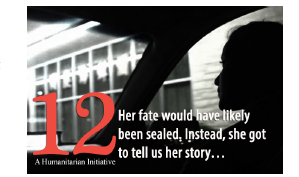
You can take action. Start with some
background information on the trafficking
of children and teens in the United States.
Write your questions for investigation on
your iDrive Investigation Worksheet.
Students come to understand that human trafficking affects students in their age group. Students discover that human trafficking does not only occur abroad; cases occur in urban, suburban and rural neighborhoods of the United States. They examine the role the Internet plays in the recruitment, grooming, and commercial exploitation of trafficking victims. Students research, define, and investigate the issue of human trafficking in their region, and prepare to take action through a student-driven empowerment project. A student workbook and teacher guide is included.
Students come to understand that human trafficking affects students in their age group. Students discover that human trafficking does not only occur abroad; cases occur in urban, suburban and rural neighborhoods of the United States. They examine the role the Internet plays in the recruitment, grooming, and commercial exploitation of trafficking victims. Students research, define, and investigate the issue of human trafficking in their region, and prepare to take action through a student-driven empowerment project. A student workbook and teacher guide is included.
Students come to understand that human trafficking affects students in their age group. Students discover that human trafficking does not only occur abroad; cases occur in urban, suburban and rural neighborhoods of the United States. They examine the role the Internet plays in the recruitment, grooming, and commercial exploitation of trafficking victims. Students research, define, and investigate the issue of human trafficking in their region, and prepare to take action through a student-driven empowerment project. A student workbook and teacher guide is included.
Students come to understand that human trafficking affects students in their age group. Students discover that human trafficking does not only occur abroad; cases occur in urban, suburban and rural neighborhoods of the United States. They examine the role the Internet plays in the recruitment, grooming, and commercial exploitation of trafficking victims. Students research, define, and investigate the issue of human trafficking in their region, and prepare to take action through a student-driven empowerment project. A student workbook and teacher guide is included.
Students come to understand that human trafficking affects students in their age group. Students discover that human trafficking does not only occur abroad; cases occur in urban, suburban and rural neighborhoods of the United States. They examine the role the Internet plays in the recruitment, grooming, and commercial exploitation of trafficking victims. Students research, define, and investigate the issue of human trafficking in their region, and prepare to take action through a student-driven empowerment project. A student workbook and teacher guide is included.
Students come to understand that human trafficking affects students in their age group. Students discover that human trafficking does not only occur abroad; cases occur in urban, suburban and rural neighborhoods of the United States. They examine the role the Internet plays in the recruitment, grooming, and commercial exploitation of trafficking victims. Students research, define, and investigate the issue of human trafficking in their region, and prepare to take action through a student-driven empowerment project. A student workbook and teacher guide is included.
Students come to understand that human trafficking affects students in their age group. Students discover that human trafficking does not only occur abroad; cases occur in urban, suburban and rural neighborhoods of the United States. They examine the role the Internet plays in the recruitment, grooming, and commercial exploitation of trafficking victims. Students research, define, and investigate the issue of human trafficking in their region, and prepare to take action through a student-driven empowerment project. A student workbook and teacher guide is included.
Students come to understand that human trafficking affects students in their age group. Students discover that human trafficking does not only occur abroad; cases occur in urban, suburban and rural neighborhoods of the United States. They examine the role the Internet plays in the recruitment, grooming, and commercial exploitation of trafficking victims. Students research, define, and investigate the issue of human trafficking in their region, and prepare to take action through a student-driven empowerment project. A student workbook and teacher guide is included.
Students come to understand that human trafficking affects students in their age group. Students discover that human trafficking does not only occur abroad; cases occur in urban, suburban and rural neighborhoods of the United States. They examine the role the Internet plays in the recruitment, grooming, and commercial exploitation of trafficking victims. Students research, define, and investigate the issue of human trafficking in their region, and prepare to take action through a student-driven empowerment project. A student workbook and teacher guide is included.
Students come to understand that human trafficking affects students in their age group. Students discover that human trafficking does not only occur abroad; cases occur in urban, suburban and rural neighborhoods of the United States. They examine the role the Internet plays in the recruitment, grooming, and commercial exploitation of trafficking victims. Students research, define, and investigate the issue of human trafficking in their region, and prepare to take action through a student-driven empowerment project. A student workbook and teacher guide is included.
Students come to understand that human trafficking affects students in their age group. Students discover that human trafficking does not only occur abroad; cases occur in urban, suburban and rural neighborhoods of the United States. They examine the role the Internet plays in the recruitment, grooming, and commercial exploitation of trafficking victims. Students research, define, and investigate the issue of human trafficking in their region, and prepare to take action through a student-driven empowerment project. A student workbook and teacher guide is included.
Students come to understand that human trafficking affects students in their age group. Students discover that human trafficking does not only occur abroad; cases occur in urban, suburban and rural neighborhoods of the United States. They examine the role the Internet plays in the recruitment, grooming, and commercial exploitation of trafficking victims. Students research, define, and investigate the issue of human trafficking in their region, and prepare to take action through a student-driven empowerment project. A student workbook and teacher guide is included.
Students come to understand that human trafficking affects students in their age group. Students discover that human trafficking does not only occur abroad; cases occur in urban, suburban and rural neighborhoods of the United States. They examine the role the Internet plays in the recruitment, grooming, and commercial exploitation of trafficking victims. Students research, define, and investigate the issue of human trafficking in their region, and prepare to take action through a student-driven empowerment project. A student workbook and teacher guide is included.
Students come to understand that human trafficking affects students in their age group. Students discover that human trafficking does not only occur abroad; cases occur in urban, suburban and rural neighborhoods of the United States. They examine the role the Internet plays in the recruitment, grooming, and commercial exploitation of trafficking victims. Students research, define, and investigate the issue of human trafficking in their region, and prepare to take action through a student-driven empowerment project. A student workbook and teacher guide is included.
Students come to understand that human trafficking affects students in their age group. Students discover that human trafficking does not only occur abroad; cases occur in urban, suburban and rural neighborhoods of the United States. They examine the role the Internet plays in the recruitment, grooming, and commercial exploitation of trafficking victims. Students research, define, and investigate the issue of human trafficking in their region, and prepare to take action through a student-driven empowerment project. A student workbook and teacher guide is included.
Students come to understand that human trafficking affects students in their age group. Students discover that human trafficking does not only occur abroad; cases occur in urban, suburban and rural neighborhoods of the United States. They examine the role the Internet plays in the recruitment, grooming, and commercial exploitation of trafficking victims. Students research, define, and investigate the issue of human trafficking in their region, and prepare to take action through a student-driven empowerment project. A student workbook and teacher guide is included.
The Power of Media
Media is an important and powerful tool. Every day, people are affected
by the media images they see – sometimes they rush out and
purchase something, other times they are influenced to laugh and cry,
and sometimes the media even influences behavior.
In fact, media so influences behavior it is often directly used by the
government and public service campaigns to reach out and change
people’s behavior.
Students come to understand that media has the power to change perceptions and behavior. They identify ways to effectively use media in order to address issues that matter to them.
Students come to understand that media has the power to change perceptions and behavior. They identify ways to effectively use media in order to address issues that matter to them.
Students come to understand that media has the power to change perceptions and behavior. They identify ways to effectively use media in order to address issues that matter to them.
Description
Advisory: This program is intended for students in grades 9-12. The program contains mature material. Teacher and parent discretion is advised.
ISAFE strongly recommends that educators preview the curriculum content before distributing to students in order to determine whether or not the content is in accordance with school policies.
Due to the nature of the subject, parental consent is advised.
Lesson - Student Initiative: Human Trafficking in the U.S.
Students come to understand that human trafficking affects students in their age group. Students discover that human trafficking does not only occur abroad; cases occur in urban, suburban and rural neighborhoods of the United States. They examine the role the Internet plays in the recruitment, grooming, and commercial exploitation of trafficking victims. Students research, define, and investigate the issue of human trafficking in their region, and prepare to take action through a student-driven empowerment project. A student workbook and teacher guide is included.
Teacher Reference Page 1 - Background: Human Trafficking, Youth, and the Internet
Students come to understand that human trafficking affects students in their age group. Students discover that human trafficking does not only occur abroad; cases occur in urban, suburban and rural neighborhoods of the United States. They examine the role the Internet plays in the recruitment, grooming, and commercial exploitation of trafficking victims. Students research, define, and investigate the issue of human trafficking in their region, and prepare to take action through a student-driven empowerment project. A student workbook and teacher guide is included.
Teacher Reference Page 2 - Answer Key: Quiz - "12: A Humanitarian Initiative"
Students come to understand that human trafficking affects students in their age group. Students discover that human trafficking does not only occur abroad; cases occur in urban, suburban and rural neighborhoods of the United States. They examine the role the Internet plays in the recruitment, grooming, and commercial exploitation of trafficking victims. Students research, define, and investigate the issue of human trafficking in their region, and prepare to take action through a student-driven empowerment project. A student workbook and teacher guide is included.
Student Handout 1 - Empowerment: iDrive Human Trafficking Initiative Workbook
Students come to understand that human trafficking affects students in their age group. Students discover that human trafficking does not only occur abroad; cases occur in urban, suburban and rural neighborhoods of the United States. They examine the role the Internet plays in the recruitment, grooming, and commercial exploitation of trafficking victims. Students research, define, and investigate the issue of human trafficking in their region, and prepare to take action through a student-driven empowerment project. A student workbook and teacher guide is included.
Student Handout 2 - Worksheet: iDrive Humanitarian Initiative Investigation Worksheet
Students come to understand that human trafficking affects students in their age group. Students discover that human trafficking does not only occur abroad; cases occur in urban, suburban and rural neighborhoods of the United States. They examine the role the Internet plays in the recruitment, grooming, and commercial exploitation of trafficking victims. Students research, define, and investigate the issue of human trafficking in their region, and prepare to take action through a student-driven empowerment project. A student workbook and teacher guide is included.
Student Handout 3 - Quiz: "12: A Humanitarian Initiative"
Students come to understand that human trafficking affects students in their age group. Students discover that human trafficking does not only occur abroad; cases occur in urban, suburban and rural neighborhoods of the United States. They examine the role the Internet plays in the recruitment, grooming, and commercial exploitation of trafficking victims. Students research, define, and investigate the issue of human trafficking in their region, and prepare to take action through a student-driven empowerment project. A student workbook and teacher guide is included.
Student Handout 4 - Reference Page: About Human Trafficking in the United States
Students come to understand that human trafficking affects students in their age group. Students discover that human trafficking does not only occur abroad; cases occur in urban, suburban and rural neighborhoods of the United States. They examine the role the Internet plays in the recruitment, grooming, and commercial exploitation of trafficking victims. Students research, define, and investigate the issue of human trafficking in their region, and prepare to take action through a student-driven empowerment project. A student workbook and teacher guide is included.
Student Handout 5 - Worksheet: Steps Toward Solutions
Students come to understand that human trafficking affects students in their age group. Students discover that human trafficking does not only occur abroad; cases occur in urban, suburban and rural neighborhoods of the United States. They examine the role the Internet plays in the recruitment, grooming, and commercial exploitation of trafficking victims. Students research, define, and investigate the issue of human trafficking in their region, and prepare to take action through a student-driven empowerment project. A student workbook and teacher guide is included.
Student Handout 6 - Empowerment: Agents Take Action
Students come to understand that human trafficking affects students in their age group. Students discover that human trafficking does not only occur abroad; cases occur in urban, suburban and rural neighborhoods of the United States. They examine the role the Internet plays in the recruitment, grooming, and commercial exploitation of trafficking victims. Students research, define, and investigate the issue of human trafficking in their region, and prepare to take action through a student-driven empowerment project. A student workbook and teacher guide is included.
Student Handout 7 - Empowerment: Reach Out: Human Trafficking Awareness Campaign
Students come to understand that human trafficking affects students in their age group. Students discover that human trafficking does not only occur abroad; cases occur in urban, suburban and rural neighborhoods of the United States. They examine the role the Internet plays in the recruitment, grooming, and commercial exploitation of trafficking victims. Students research, define, and investigate the issue of human trafficking in their region, and prepare to take action through a student-driven empowerment project. A student workbook and teacher guide is included.
Student Handout 8 - Empowerment: Speak Up - Community Outreach
Students come to understand that human trafficking affects students in their age group. Students discover that human trafficking does not only occur abroad; cases occur in urban, suburban and rural neighborhoods of the United States. They examine the role the Internet plays in the recruitment, grooming, and commercial exploitation of trafficking victims. Students research, define, and investigate the issue of human trafficking in their region, and prepare to take action through a student-driven empowerment project. A student workbook and teacher guide is included.
Student Handout 9 - Empowerment: Write it. Blog it.
Students come to understand that human trafficking affects students in their age group. Students discover that human trafficking does not only occur abroad; cases occur in urban, suburban and rural neighborhoods of the United States. They examine the role the Internet plays in the recruitment, grooming, and commercial exploitation of trafficking victims. Students research, define, and investigate the issue of human trafficking in their region, and prepare to take action through a student-driven empowerment project. A student workbook and teacher guide is included.
Student Handout 10 - Empowerment: Get Political: Letter to Congress
Students come to understand that human trafficking affects students in their age group. Students discover that human trafficking does not only occur abroad; cases occur in urban, suburban and rural neighborhoods of the United States. They examine the role the Internet plays in the recruitment, grooming, and commercial exploitation of trafficking victims. Students research, define, and investigate the issue of human trafficking in their region, and prepare to take action through a student-driven empowerment project. A student workbook and teacher guide is included.
Student Handout 11 - Empowerment: Short Form Documentary
Students come to understand that human trafficking affects students in their age group. Students discover that human trafficking does not only occur abroad; cases occur in urban, suburban and rural neighborhoods of the United States. They examine the role the Internet plays in the recruitment, grooming, and commercial exploitation of trafficking victims. Students research, define, and investigate the issue of human trafficking in their region, and prepare to take action through a student-driven empowerment project. A student workbook and teacher guide is included.
Student Handout 12 - Empowerment: Video PSA
Students come to understand that human trafficking affects students in their age group. Students discover that human trafficking does not only occur abroad; cases occur in urban, suburban and rural neighborhoods of the United States. They examine the role the Internet plays in the recruitment, grooming, and commercial exploitation of trafficking victims. Students research, define, and investigate the issue of human trafficking in their region, and prepare to take action through a student-driven empowerment project. A student workbook and teacher guide is included.
Student Handout 13 - Empowerment: Personal Release Form
Students come to understand that human trafficking affects students in their age group. Students discover that human trafficking does not only occur abroad; cases occur in urban, suburban and rural neighborhoods of the United States. They examine the role the Internet plays in the recruitment, grooming, and commercial exploitation of trafficking victims. Students research, define, and investigate the issue of human trafficking in their region, and prepare to take action through a student-driven empowerment project. A student workbook and teacher guide is included.