
Description
Lesson Overview
Students come to understand that media literacy is an integral aspect of digital
Lesson - Introduction to Media Literacy (High School)

Students come to understand that media literacy is an integral aspect of digital citizenship. They learn that media literacy enables them to identify propaganda, censorship and bias. Students define media literacy, give examples of media-based propaganda and biased viewpoints, discuss the role of media in the modern world, and conclude the importance of media literacy in today's society.
Student Handout 1 - Worksheet: Understanding Media Literacy

Students come to understand that media literacy is an integral aspect of digital citizenship. They learn that media literacy enables them to identify propaganda, censorship and bias. Students define media literacy, give examples of media-based propaganda and biased viewpoints, discuss the role of media in the modern world, and conclude the importance of media literacy in today's society.
Student Handout 2 - Worksheet: Media Literacy - Put it Together
Students come to understand that media literacy is an integral aspect of digital citizenship. They learn that media literacy enables them to identify propaganda, censorship and bias. Students define media literacy, give examples of media-based propaganda and biased viewpoints, discuss the role of media in the modern world, and conclude the importance of media literacy in today's society.
Putting it Together
What is media in this day and age? Media is so many things. It has evolved from its beginning as print materials
to being Web sites, podcasts, television commercials, movies, billboards, blogs, brochures, radio, and more.
We are surrounded with media everyday. With so much media around us, it makes sense that there’s a need to
be “literate” in understanding, analyzing and even creating it.
Students come to understand that media literacy is an integral aspect of digital citizenship. They learn that media literacy enables them to identify propaganda, censorship and bias. Students define media literacy, give examples of media-based propaganda and biased viewpoints, discuss the role of media in the modern world, and conclude the importance of media literacy in today's society.
Students come to understand that media literacy is an integral aspect of digital citizenship. They learn that media literacy enables them to identify propaganda, censorship and bias. Students define media literacy, give examples of media-based propaganda and biased viewpoints, discuss the role of media in the modern world, and conclude the importance of media literacy in today's society.
Students come to understand that media literacy is an integral aspect of digital citizenship. They learn that media literacy enables them to identify propaganda, censorship and bias. Students define media literacy, give examples of media-based propaganda and biased viewpoints, discuss the role of media in the modern world, and conclude the importance of media literacy in today's society.
Description
Lesson Overview
Students come to understand that media has the power to change perceptions and be
Lesson - The Power of Media (High School)
Students come to understand that media has the power to change perceptions and behavior. They examine the influence of the media in history and on modern culture. Students identify ways to effectively use media in order to address issues that matter to them.
Student Handout - Worksheet: The Influential Power of Media
Students come to understand that media has the power to change perceptions and behavior. They examine the influence of the media in history and on modern culture. Students identify ways to effectively use media in order to address issues that matter to them.
Description
Lesson Overview
Students understand that online sources are not always reliable, nor is informati
Lesson - Website Validity and Reliability (High School)
Students understand that online sources are not always reliable, nor is information found online always valid. They use a set of criteria to evaluate online sources on a given topic and reflect on the selection process. Students then engage in a collaborative project that entails research, expository writing, and source citation.
Student Handout 1 - Worksheet: Reliability and Validity
Students understand that online sources are not always reliable, nor is information found online always valid. They use a set of criteria to evaluate online sources on a given topic and reflect on the selection process. Students then engage in a collaborative project that entails research, expository writing, and source citation.
Student Handout 2 - Reference Page: Website Evaluation Process
Students understand that online sources are not always reliable, nor is information found online always valid. They use a set of criteria to evaluate online sources on a given topic and reflect on the selection process. Students then engage in a collaborative project that entails research, expository writing, and source citation.
Student Handout 3 - Worksheet: Think About It: Selecting Credible Online Sources
Students understand that online sources are not always reliable, nor is information found online always valid. They use a set of criteria to evaluate online sources on a given topic and reflect on the selection process. Students then engage in a collaborative project that entails research, expository writing, and source citation.
Think About It
1. What is the danger of texting or talking on a phone while driving?
______________________________________________________________________________
______________________________________________________________________________
______________________________________________________________________________
______________________________________________________________________________
Students discover that research dispels the concept of multitasking. They learn that the brain cannot truly focus on two tasks at once but rather must switch focus quickly from task to task. They then make applications to safety issues such as texting and driving, and academic issues related to studying while listening to music or watching videos.
Students discover that research dispels the concept of multitasking. They learn that the brain cannot truly focus on two tasks at once but rather must switch focus quickly from task to task. They then make applications to safety issues such as texting and driving, and academic issues related to studying while listening to music or watching videos.
Students discover that research dispels the concept of multitasking. They learn that the brain cannot truly focus on two tasks at once but rather must switch focus quickly from task to task. They then make applications to safety issues such as texting and driving, and academic issues related to studying while listening to music or watching videos.
The Power of Media
Media is an important and powerful tool. Every day, people are affected
by the media images they see – sometimes they rush out and
purchase something, other times they are influenced to laugh and cry,
and sometimes the media even influences behavior.
In fact, media so influences behavior it is often directly used by the
government and public service campaigns to reach out and change
people’s behavior.
Students come to understand that media has the power to change perceptions and behavior. They identify ways to effectively use media in order to address issues that matter to them.
Students come to understand that media has the power to change perceptions and behavior. They identify ways to effectively use media in order to address issues that matter to them.
Students come to understand that media has the power to change perceptions and behavior. They identify ways to effectively use media in order to address issues that matter to them.
Color, cut on dotted line, and glue or tape to a craft stick, straw, or bag.
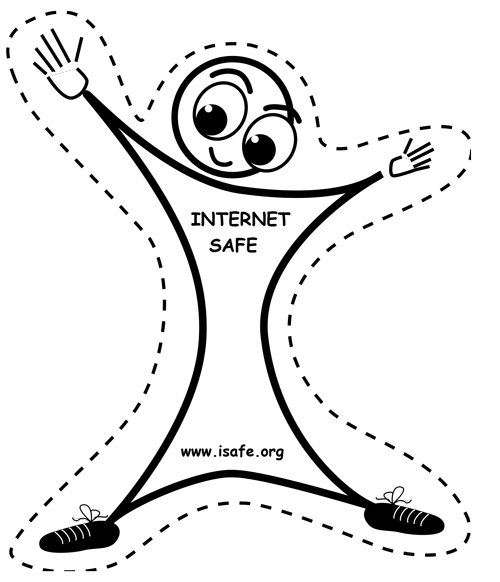
As part of i-SAFE’s Music and Movement series, students create i- Buddy puppets and use them to “dance” to the music while singing along. Through class discussion, students learn that good decisions are an important part of digital citizenship.
As part of i-SAFE’s Music and Movement series, students create i- Buddy puppets and use them to “dance” to the music while singing along. Through class discussion, students learn that good decisions are an important part of digital citizenship.

As part of i-SAFE’s Music and Movement series, students create i- Buddy puppets and use them to “dance” to the music while singing along. Through class discussion, students learn that good decisions are an important part of digital citizenship.

As part of i-SAFE’s Music and Movement series, students create i- Buddy puppets and use them to “dance” to the music while singing along. Through class discussion, students learn that good decisions are an important part of digital citizenship.
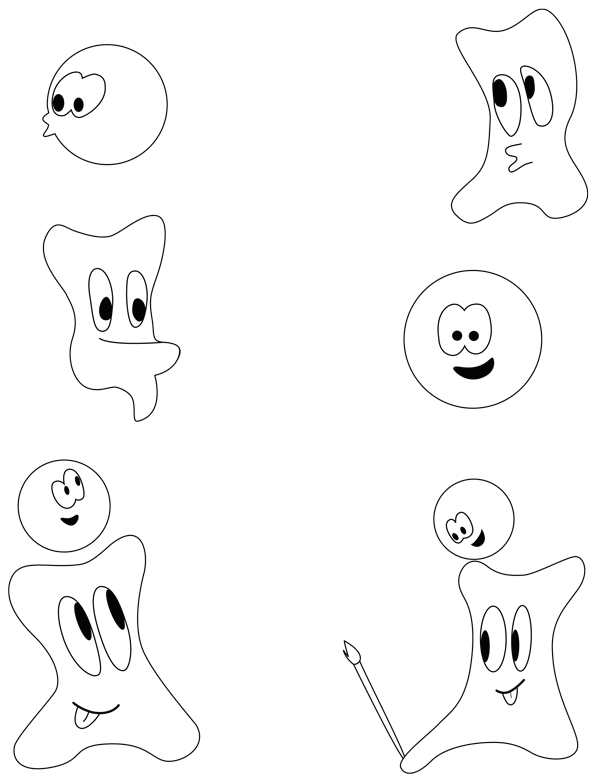
As part of i-SAFE’s Music and Movement series, students sing along with the song “Chat.” They gain an understanding of a basic Internet safety concept: to be safe and responsible when using online chat. Students learn that being responsible online means knowing how to make safe choices about who to chat with and about what to say. They engage in a collaborative discussion about interacting with others online and draw conclusions supported by reasoning and examples.
As part of i-SAFE’s Music and Movement series, students sing along with the song “Chat.” They gain an understanding of a basic Internet safety concept: to be safe and responsible when using online chat. Students learn that being responsible online means knowing how to make safe choices about who to chat with and about what to say. They engage in a collaborative discussion about interacting with others online and draw conclusions supported by reasoning and examples.
As part of i-SAFE’s Music and Movement series, students sing along with the song “Chat.” They gain an understanding of a basic Internet safety concept: to be safe and responsible when using online chat. Students learn that being responsible online means knowing how to make safe choices about who to chat with and about what to say. They engage in a collaborative discussion about interacting with others online and draw conclusions supported by reasoning and examples.
As part of i-SAFE’s Music and Movement series, students sing along with the song “Chat.” They gain an understanding of a basic Internet safety concept: to be safe and responsible when using online chat. Students learn that being responsible online means knowing how to make safe choices about who to chat with and about what to say. They engage in a collaborative discussion about interacting with others online and draw conclusions supported by reasoning and examples.
As part of i-SAFE’s Music and Movement series, students sing along with the song “Chat.” They gain an understanding of a basic Internet safety concept: to be safe and responsible when using online chat. Students learn that being responsible online means knowing how to make safe choices about who to chat with and about what to say. They engage in a collaborative discussion about interacting with others online and draw conclusions supported by reasoning and examples.
As part of i-SAFE’s Music and Movement series, students sing along with the song “Chat.” They gain an understanding of a basic Internet safety concept: to be safe and responsible when using online chat. Students learn that being responsible online means knowing how to make safe choices about who to chat with and about what to say. They engage in a collaborative discussion about interacting with others online and draw conclusions supported by reasoning and examples.
As part of i-SAFE’s Music and Movement series, students sing along with the song “Chat.” They gain an understanding of a basic Internet safety concept: to be safe and responsible when using online chat. Students learn that being responsible online means knowing how to make safe choices about who to chat with and about what to say. They engage in a collaborative discussion about interacting with others online and draw conclusions supported by reasoning and examples.
Description
Lesson Overview
Students explore the safe, secure, and responsible use of apps.
Lesson - App-titude: Understanding and Using Apps
Students explore the safe, secure, and responsible use of apps. They learn that an app is a software application that runs on computers, in Web browsers, and on mobile devices. They come to better understand the software applications that they use, and learn to select apps based on a set of criteria. Students support their conclusions with evidence and reason.
Student Handout 1 - Reference Page: What are Apps?
Students explore the safe, secure, and responsible use of apps. They learn that an app is a software application that runs on computers, in Web browsers, and on mobile devices. They come to better understand the software applications that they use, and learn to select apps based on a set of criteria. Students support their conclusions with evidence and reason.
Student Handout 2 - Worksheet: Notable Apps
Students explore the safe, secure, and responsible use of apps. They learn that an app is a software application that runs on computers, in Web browsers, and on mobile devices. They come to better understand the software applications that they use, and learn to select apps based on a set of criteria. Students support their conclusions with evidence and reason.
Teacher Reference Page - Answer Key: Notable Apps
Students explore the safe, secure, and responsible use of apps. They learn that an app is a software application that runs on computers, in Web browsers, and on mobile devices. They come to better understand the software applications that they use, and learn to select apps based on a set of criteria. Students support their conclusions with evidence and reason.
Description
Lesson Overview
Students discover that research dispels the concept of multitasking.
Lesson - Multitasking and Technology
Students discover that research dispels the concept of multitasking. They learn that the brain cannot truly focus on two tasks at once but rather must switch focus quickly from task to task. They then make applications to safety issues such as texting and driving, and academic issues related to studying while listening to music or watching videos.
Student Handout 1 - Reference Page: Multitasking
Students discover that research dispels the concept of multitasking. They learn that the brain cannot truly focus on two tasks at once but rather must switch focus quickly from task to task. They then make applications to safety issues such as texting and driving, and academic issues related to studying while listening to music or watching videos.
Student Handout 2 - Worksheet: Think About It - Multitasking, Technology & Safety
Students discover that research dispels the concept of multitasking. They learn that the brain cannot truly focus on two tasks at once but rather must switch focus quickly from task to task. They then make applications to safety issues such as texting and driving, and academic issues related to studying while listening to music or watching videos.